Somewhere in the records, your grandfather is still standing at attention.

When the family stories run thin and the personnel file is gone, the trail is still there, scattered across the morning reports, muster rolls, and unit journals of World War II. We follow it page by page and bring back the record of who he was and where he served. Let's give the Greatest Generation the recognition they deserve.

Free to start. We look into him first and tell you what we can recover. You pay nothing unless you ask us to go on.

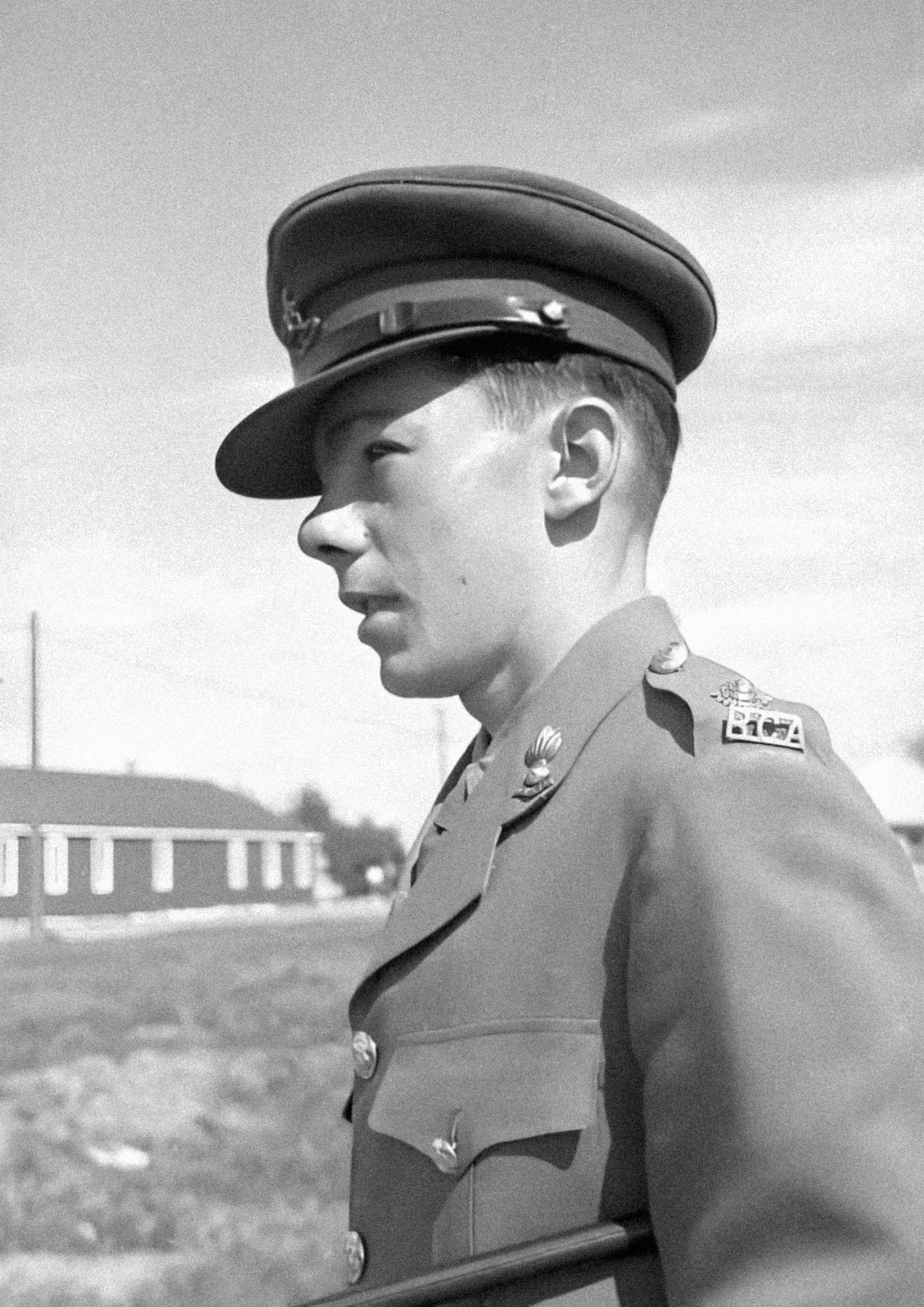
Archival studio portrait of a young man in military uniform, mid-20th century From the archive
Service reconstructed 1943 – 1946

How the search works

No databases to learn, no archives to visit. You tell us what you have, we go and look, and you'll know what we can recover before you owe us anything.

Tell us about him

Share his name and whatever else you have. His discharge paper is the single best thing — his service number is printed on it — but a photo, a letter, or just the stories all help. About five minutes on our intake form, and nothing to pay.

We look into him — free

In one to two weeks we go to the records and find out what's actually there for him: whether we can pin down his service number, whether his unit's morning reports survived, how wide a trail he left behind. This part is free. It's the only honest way to answer your question.

We tell you what we found

A plain-English read on what we believe we can reconstruct — and what we probably can't. If the trail is too thin to be worth your money, we'll say so. If it's worth following, you tell us to go ahead. Or you don't, and that's the end of it. Either way you've paid nothing.

You receive his story

We read the morning reports, cross-check the muster rolls and award cards, and place him week by week. What comes back is a written timeline sourced to the page, in language your whole family can read. Only once it's finished and in your hands do we ask you for the $99 — not a day before.

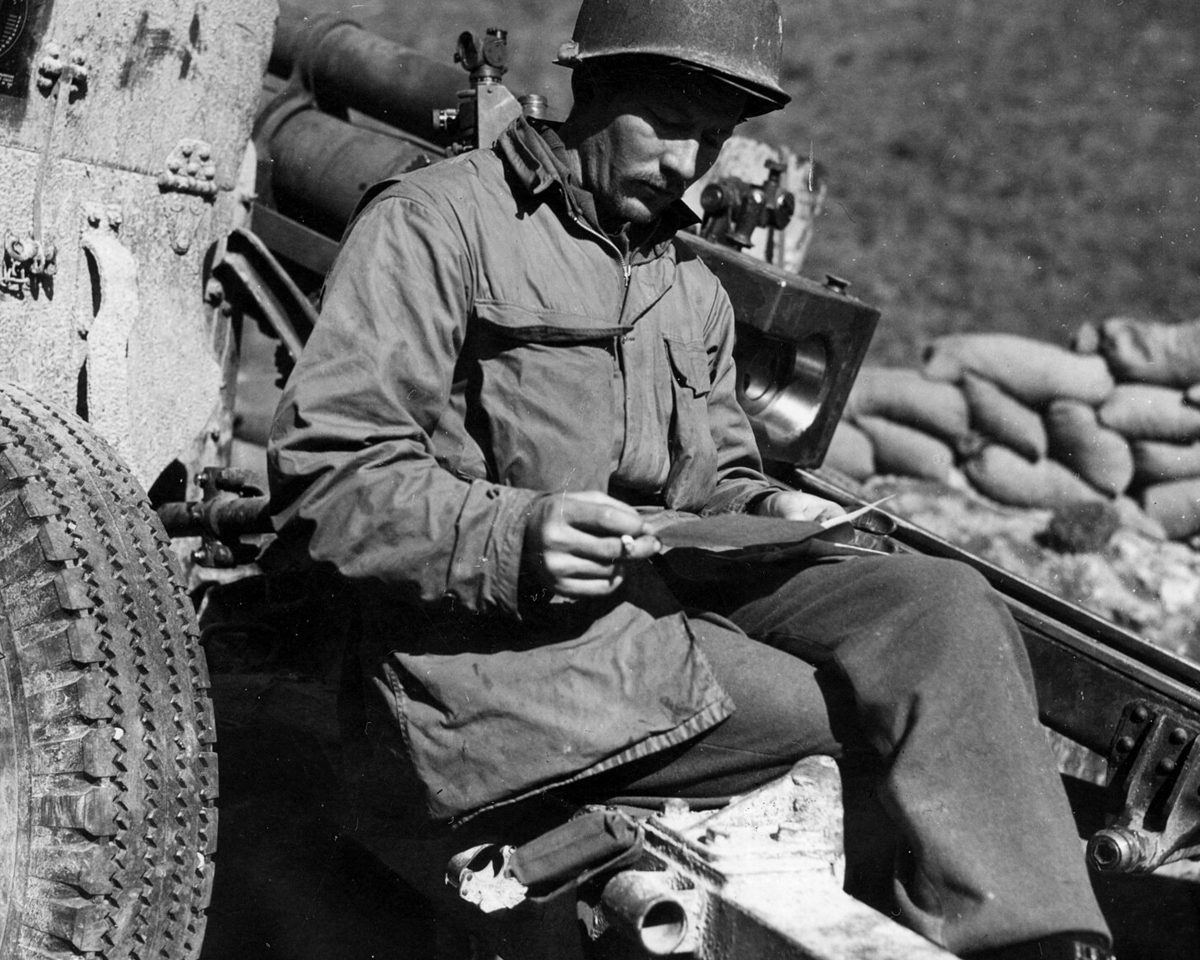
A U.S. Army sergeant reading his first letter from home at a frontline gun position, Italy, 1945

Let's start with what you have.

A name written on the back of a photograph. A service number on a discharge paper. A story about the winter he spent somewhere cold in Europe. That's where most families begin, and it's enough to ask: we look first, free, and tell you honestly what we believe the records hold.

Then everything you can add — a birth year, a hometown, the discharge paper folded in a drawer — narrows a thousand men with his name down to one. The more you bring us, the more we can bring back.

No discharge paper anywhere in the house? There's a good chance his county courthouse still holds a copy, and we'll help you request it.

What it costs

One veteran, $99

  • Free to start. The form costs nothing and so does the first look. If we can't help, you'll have spent five minutes and no money.
  • Nothing until it's finished. The $99 comes due the day his story is done and yours to keep — one payment, by card, once. No invoice to chase, no account to cancel.
  • Flat, and it stays flat. It doesn't climb because his file turned out to be a difficult one. A portion of every fee goes to Remember WWII.
More questions about cost

What the records give back

The footsteps, the story, the timeline and map of his World War II service — pieced together from these records.

Get his free assessment
MR

Morning reports

The daily roll of a unit: who was present, sick, transferred, promoted, or lost. The backbone of any reconstruction.

MUS

Muster rolls & rosters

Periodic headcounts that confirm which company he belonged to, and when he moved between them.

UNIT

Unit journals & histories

Where his outfit was and what it was doing: the story unfolding around the man.

AWD

Award & decoration cards

Medals, citations, and the actions behind them, often filed far away from the lost personnel record.

SHIP

Embarkation & voyage records

When and on which ship he crossed the Atlantic, and the day he came home.

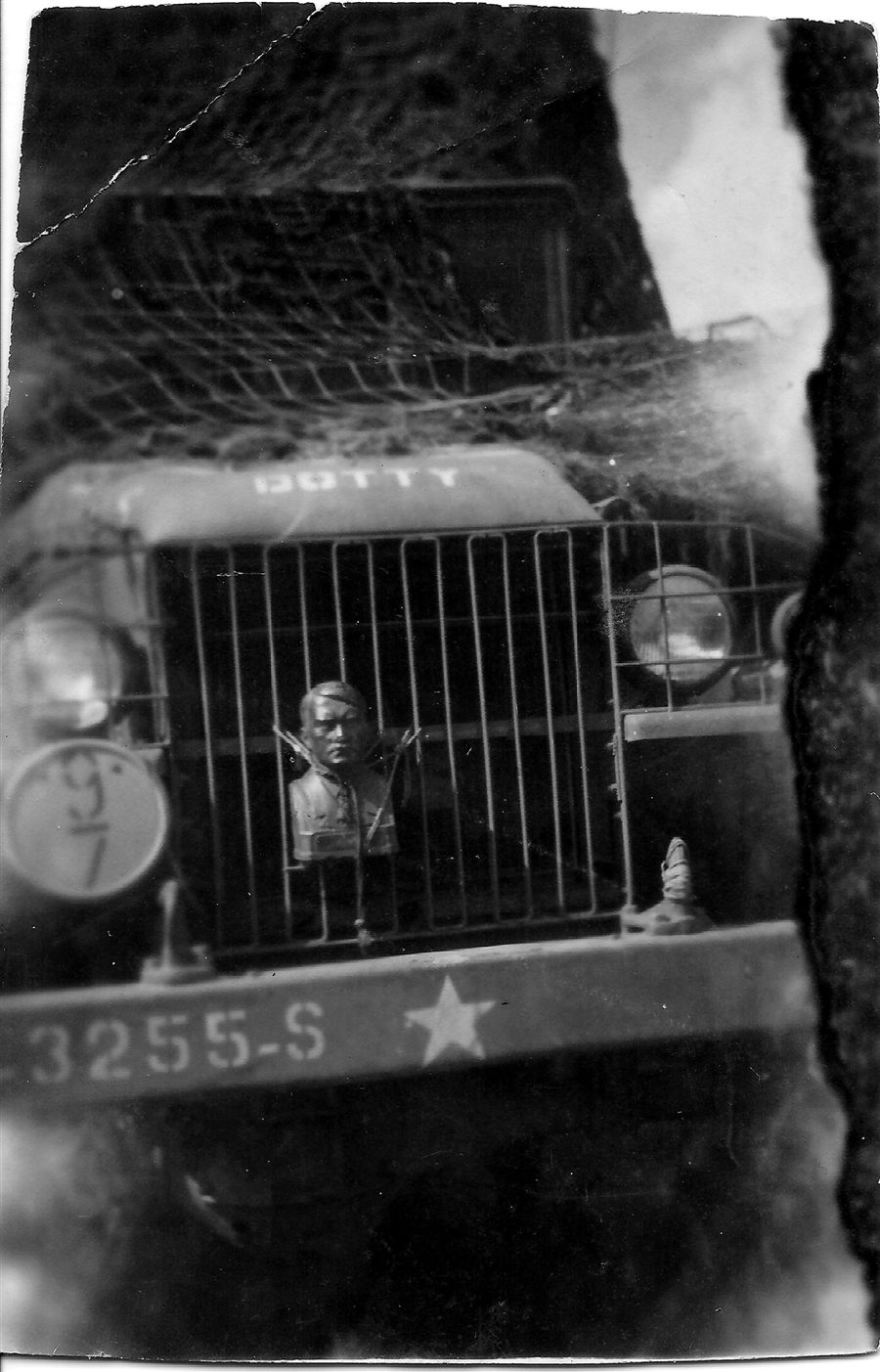
A radio truck of the 3255th Signal Service Company — Jim's outfit — photographed on VE Day in Neudorf, 1945
“We started with Holly's grandfather, Jim — one name, one service number, and a discharge paper. Like so many World War II veterans, he didn't talk much about his service, and we didn't quite understand what all the military lingo on his discharge papers meant. We just wanted to discover his journey. Within a couple of weeks of researching, our family had his whole service story — more than we'd ever known. If we could do that for Jim, we could do it for anybody's father, anybody's grandfather. Every veteran and family deserves that. Tango Yankee is how a radioman said thank you. This is how we say it.”

Brandon and Holly Brimberry · Founders, The Tango Yankee Project

The Tango Yankee Project — honoring service, preserving legacy

Let's find the service behind the name.

Start with whatever you have. We'll look into him and give you an honest read on what we can recover — free, and before you decide anything. The $99 comes later, and only if you ask us to go on.

Get his free assessment